
UMMA Health × Initiative on Islam and Medicine
Guidance for Complex Medical Decisions
Ethical clarity grounded in Islamic moral tradition and contemporary clinical practice — for individuals, families, and healthcare professionals.
Guidance for Complex Medical Decisions
Whether you are a patient facing a difficult decision, a family navigating uncertain terrain, or a clinician seeking culturally responsive guidance — this service is designed for you.
Clinical Bioethics Consultation provides ethical guidance informed by Islamic bioethics principles. It is not a fatwa service and does not replace medical advice.
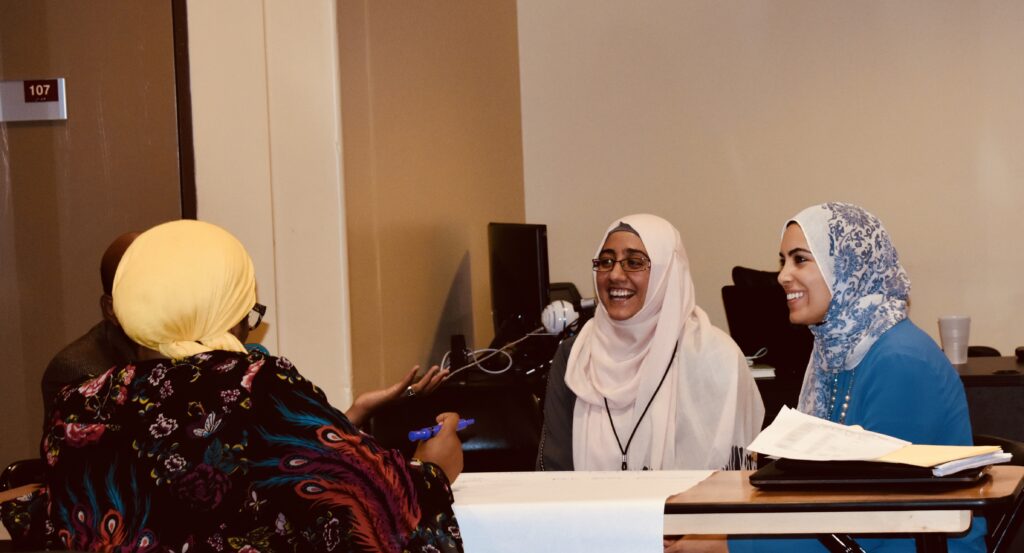
Who Will Benefit From This Service
Consultation Areas
This service addresses the most challenging intersections of Islamic ethics and clinical medicine.
- Brain death and organ donation
- Palliative and hospice care
- End-of-life treatment decisions
- Fetal testing and neonatal resuscitation
- Pregnancy, reproductive health, and abortion
- Religious accommodations for Muslim clinicians
Patients & Families
Hospital Administrators
Clinicians & Ethicists
Healthcare Chaplains
Our Team
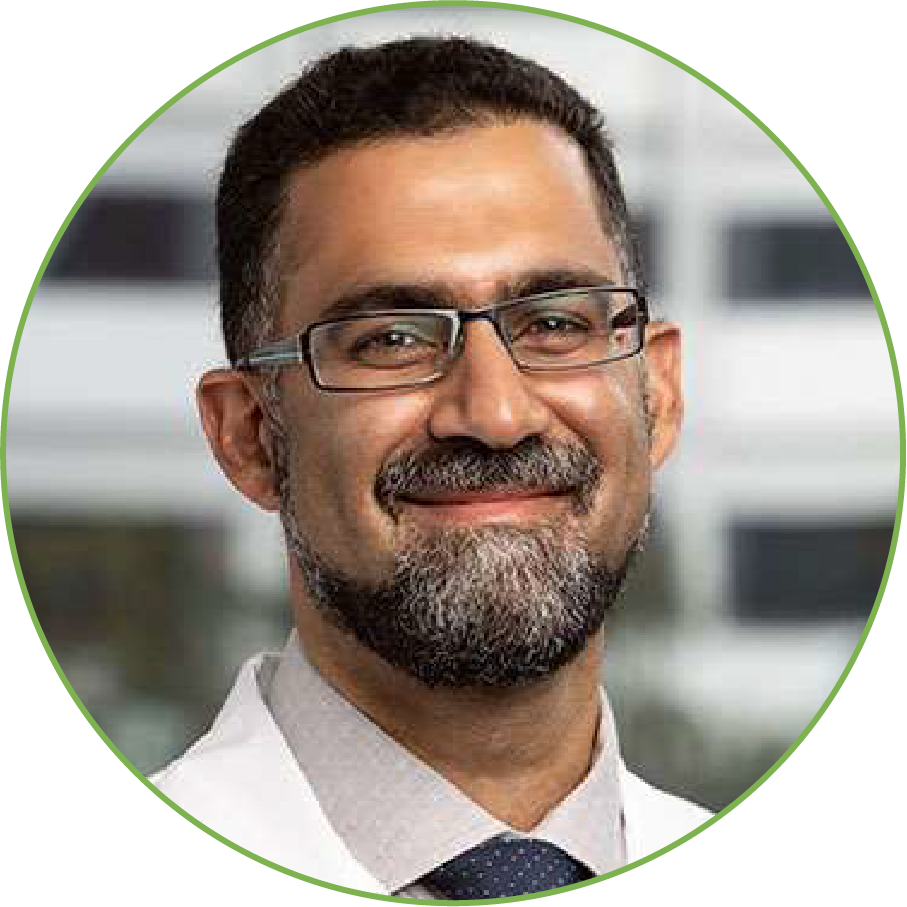
Dr. Aasim I. Padela, MD, MSc, FACEP, FISSR
Bio-Ethics Consultant
• Board-Certified Emergency Physician ·
Clinical Bioethicist · Islamic Bioethics
Trained at the MacLean Center for Clinical Ethics, Dr. Padela has served as a hospital ethics consultant, health policy advisor, and expert witness in cases involving Muslims and healthcare delivery. He brings decades of experience bridging Islamic ethical frameworks with real-world clinical practice.

Dr. Aasim I. Padela, MD, MSc, FACEP, FISSR
Religious Consultant
Trained at the MacLean Center for Clinical Ethics, Dr. Padela has served as a hospital ethics consultant, health policy advisor, and expert witness in cases involving Muslims and healthcare delivery. He brings decades of experience bridging Islamic ethical frameworks with real-world clinical practice.
The Consultation Process
A structured, confidential process designed to provide clarity at every step.
Step 1
Intake & Triage
Submit your case through our intake form. Urgency is assessed — a general response is provided within a week.
Step 2
Clinical Context Clarification
The consultant reviews the decisions at hand, and any ethical concerns you have raised.
Step 3
Ethical Analysis & Islamic Frameworking
Dr. Padela applies both clinical bioethics methodology and Islamic moral reasoning to your specific situation.
Step 4
Written Brief & Verbal Debrief
You receive a written case brief, a verbal debrief session, and a follow-up note summarizing the guidance.
Step 5
Optional Extended Support
Consultation with your clinic care team, case conference participation, advance care planning assistance, community education sessions, or connection to religious scholars for fatwa requests.
Cost of Service
While we are not charging for consultations during the first six months of our launch, we want to be transparent with the cost of this service.
$950
Standard Consultation
Typical cases take five hours over two sessions. This includes intake, analysis, written brief, and debrief.
$1,300
Urgent Consultation
Same-day response for time-sensitive cases
$190/hr
Case Conference
Participation with clinical team
$5,000
Educational Session
Community workshops and institutional training. Cost includes travel, time, and honorarium.
Finding the Right Resource
Not sure if this service is what you need? These guides can help.
Are you facing a difficult medical decision involving serious illness, end-of-life care, or organ donation? Are you concerned about how Islamic values relate to the decision? Do you need help thinking through options before consulting a scholar?
If yes to any of these, this service may be right for you.
Is a Muslim patient or family experiencing moral distress around a care decision?
Are there concerns about Islamic obligations affecting care planning?
Is there disagreement related to values or conscience?
Yes to one or more → consider referral to this service.
Emotional or spiritual support → Muslim Healthcare Chaplain
Ethical clarity and moral guidance → This consultation service
Formal ruling on permissibility → Qualified religious scholar
Not sure? Start here — we can help clarify the next step.
Understanding the limits of this service is as important as understanding what it offers.
✕ Does not issue fatwas, juristic rulings, or binding religious determinations
✕ Does not replace medical advice, clinical judgment, or institutional ethics committees
✕ Does not substitute for a Muslim healthcare chaplain for pastoral and emotional support
Patients or families who ultimately desire a formal juridical opinion may be referred to qualified religious scholars as part of this service.
Request a Consultation
Submit your intake form to begin. Standard consultations are scheduled within 3–5 days. Urgent same-day response is available.